


|
|
|
|
by Editor Jane Lyons
Edited and published by Yvette Depaepe, the 10th of July 2026
"If you don't have any shadows you're not in the light”
~ Lady Gaga ~
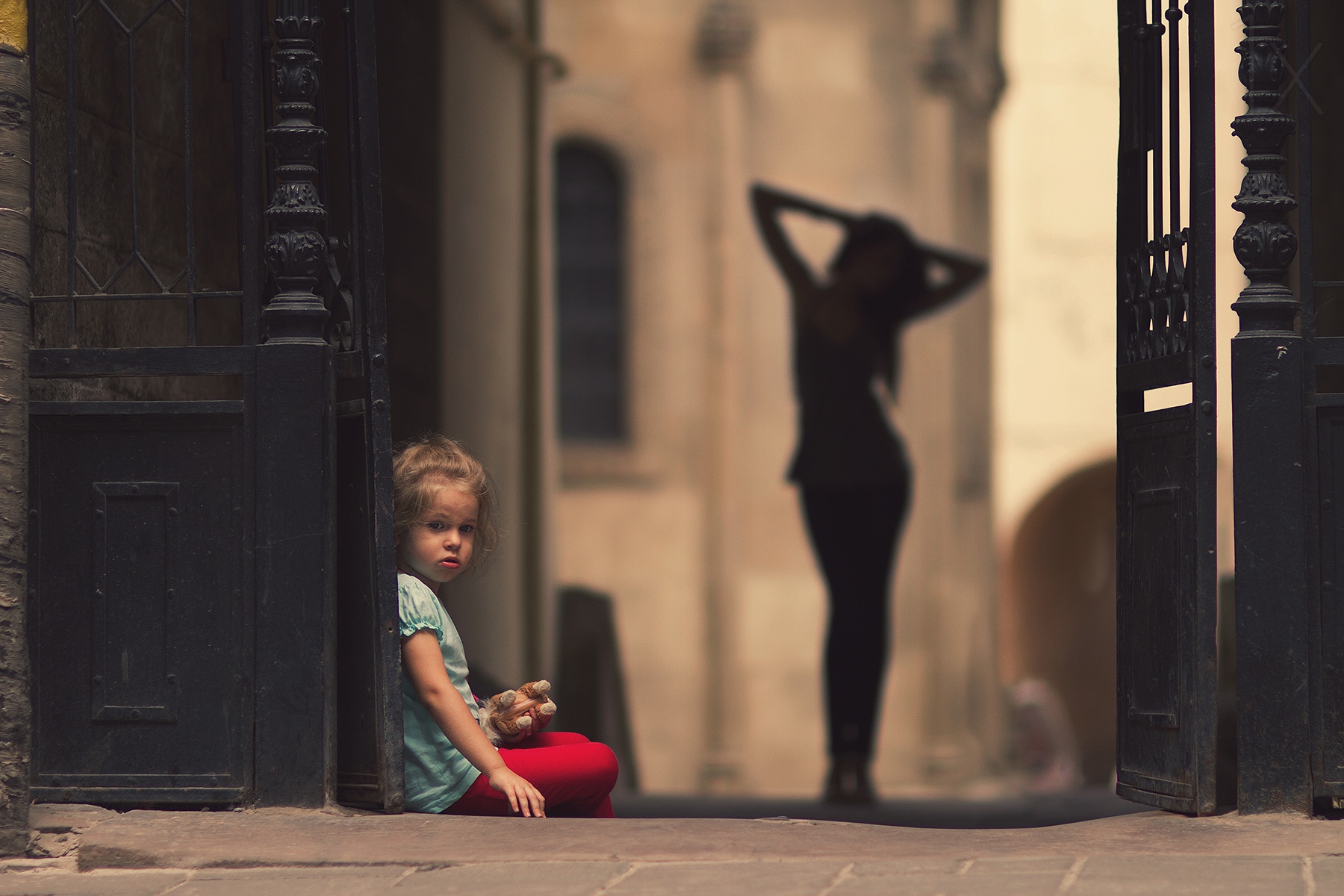
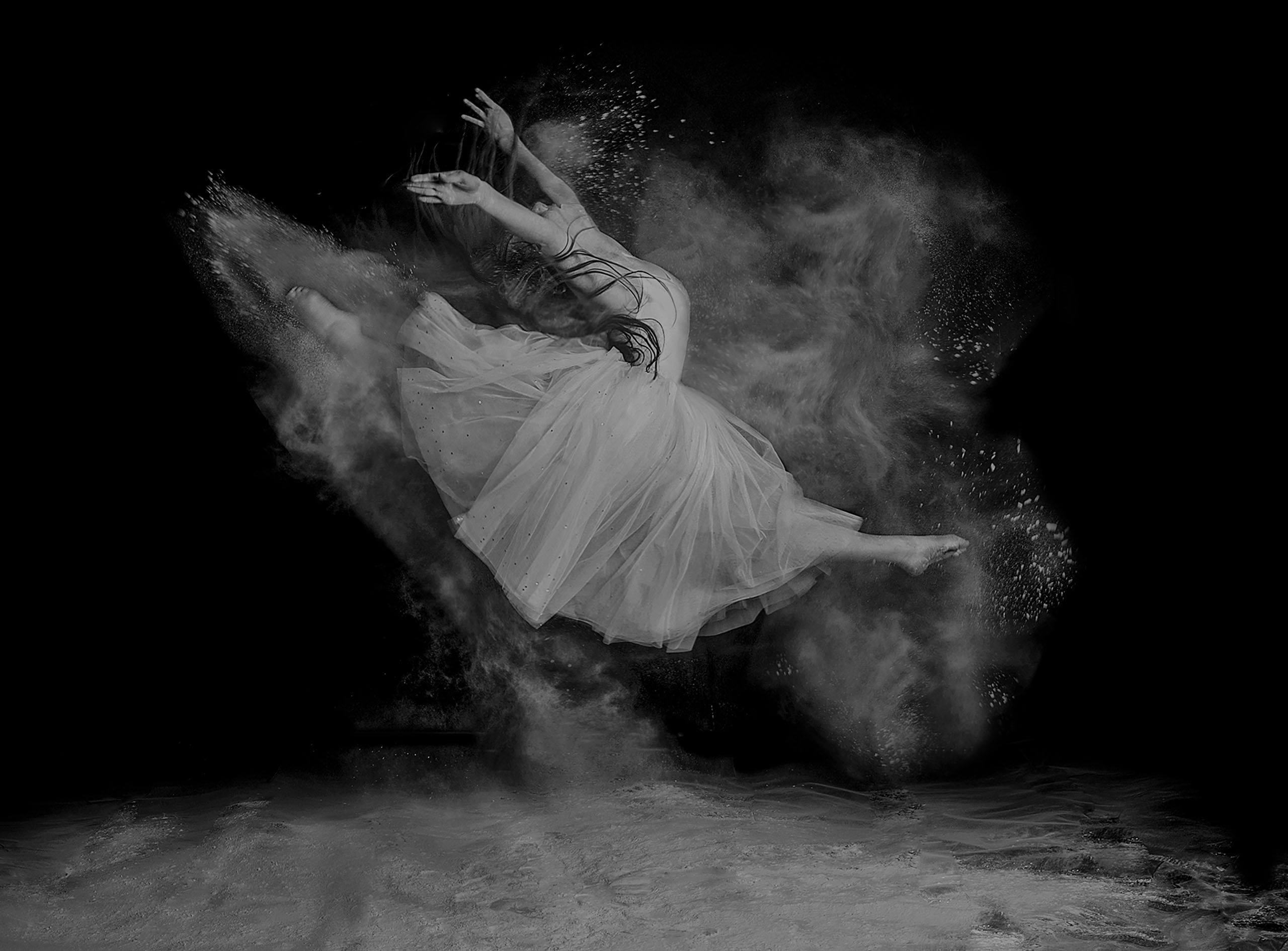
“Dreams” by Igor Baranyuk
Although photography is often described as the art of light, shadows are no less important. They can shape form, suggest mystery and create rhythm. Sometimes, they can even become the true subject of an image.
Whether reflected within the same frame or the subject of another, shadows are a wonderful vehicle for highly creative and memorable photography. The shadows cast by different objects, as well as visual sleights of hand, often result in imaginative and compelling works.
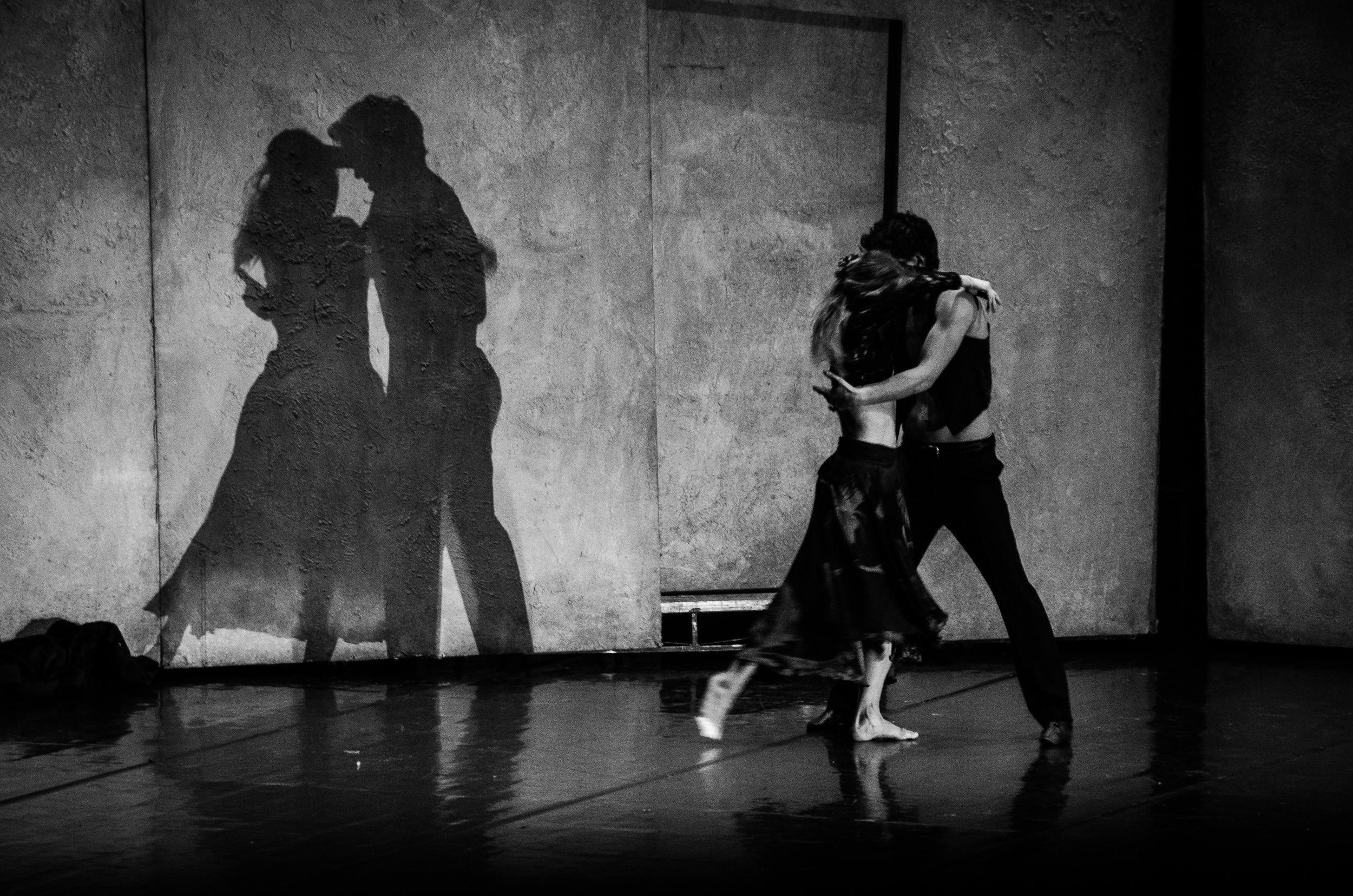
“Carmen” by Eleanora Abbagnato by Flavio Bertazzi

“Facade” by Arnon Orbach
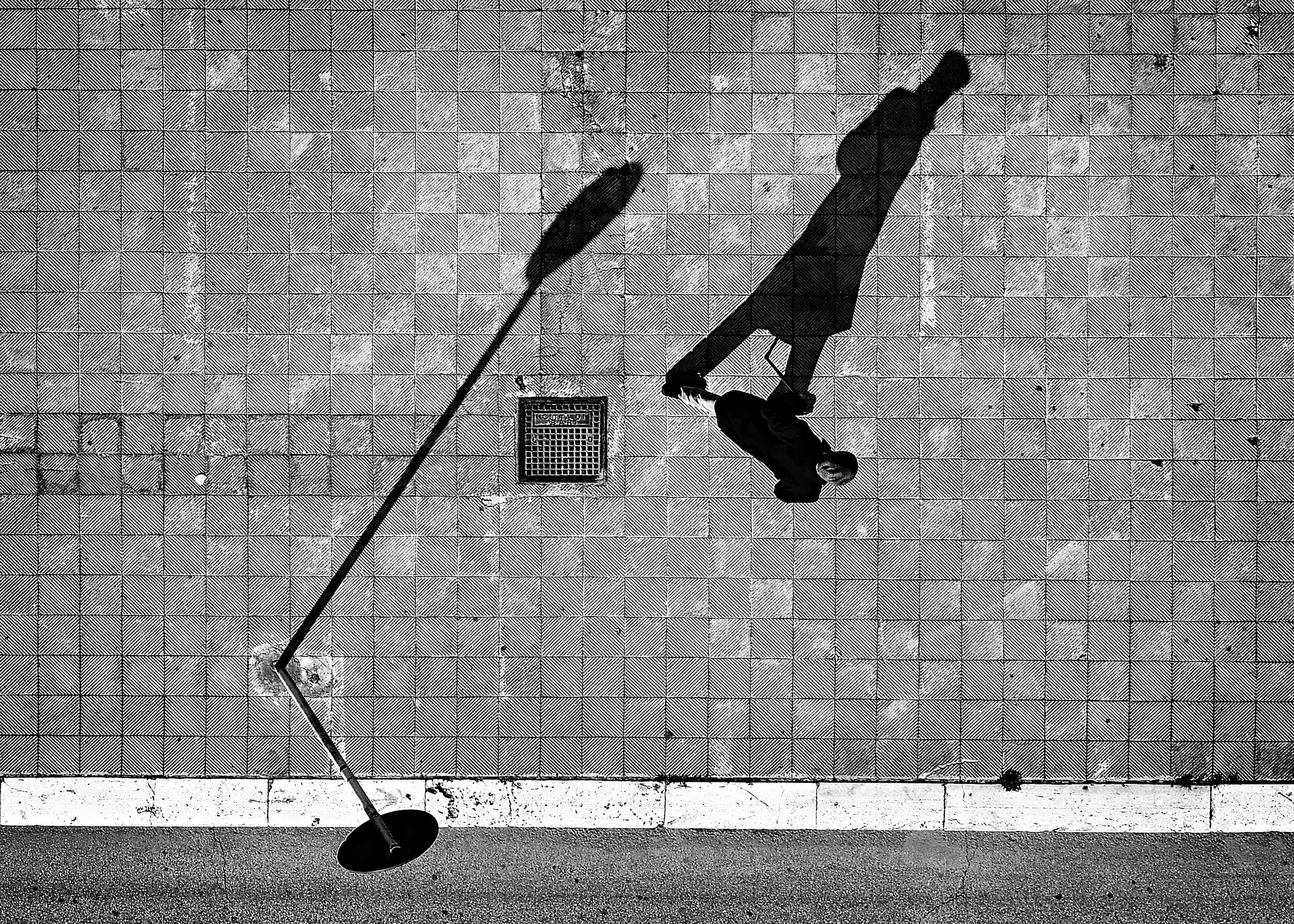
“Untitled” by Raceala Elena
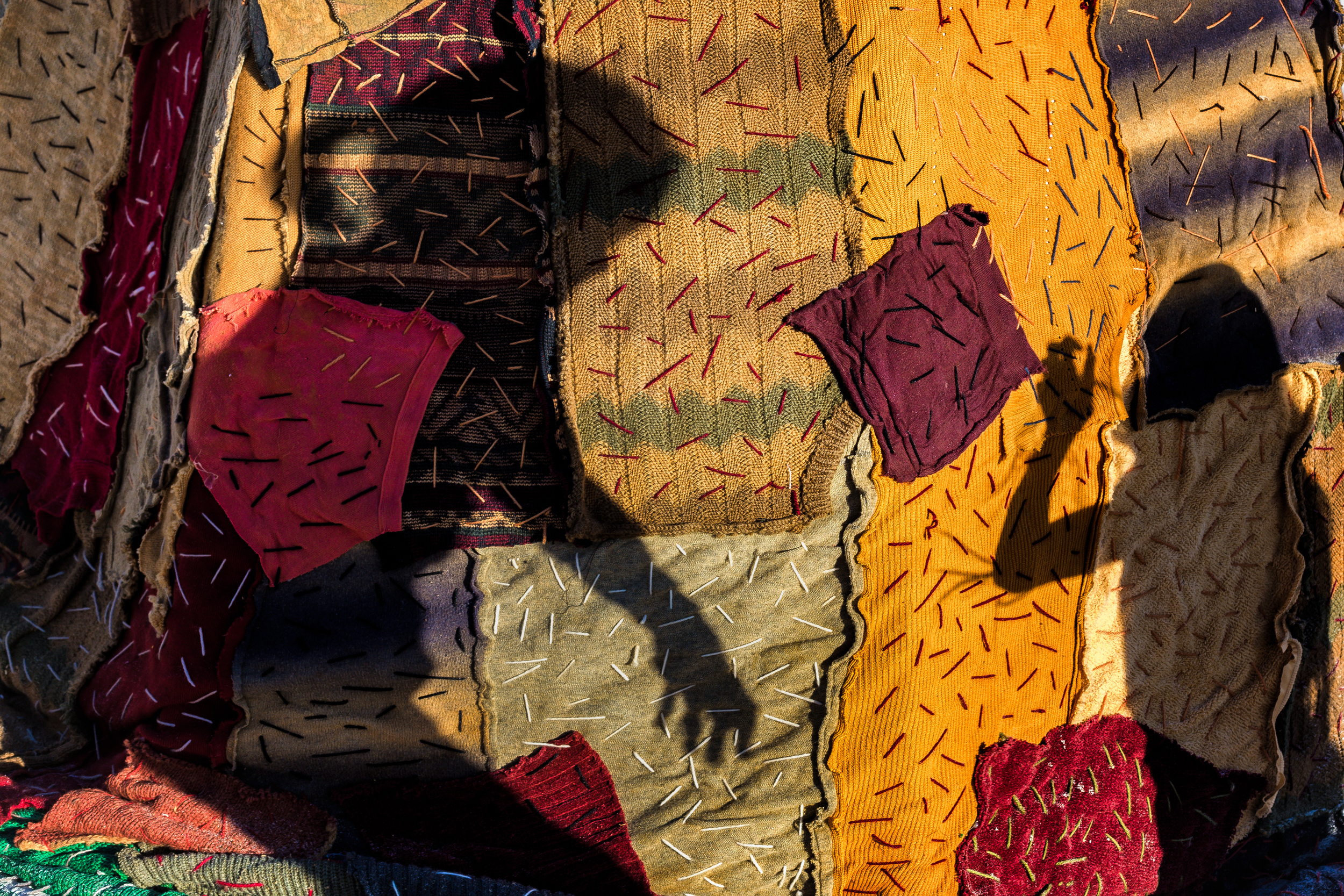
“Untitled” by Gloria Salgado Gispert
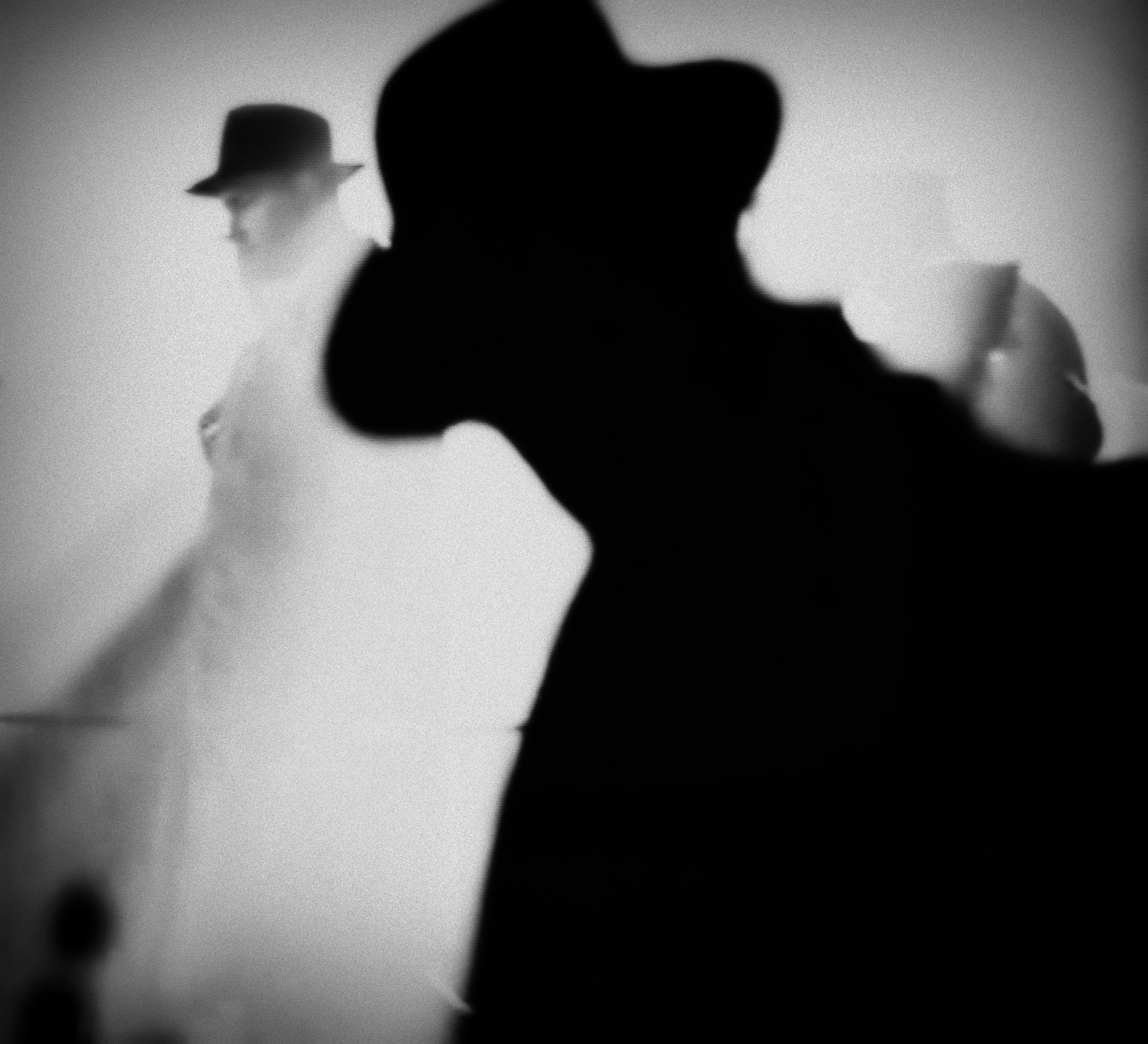
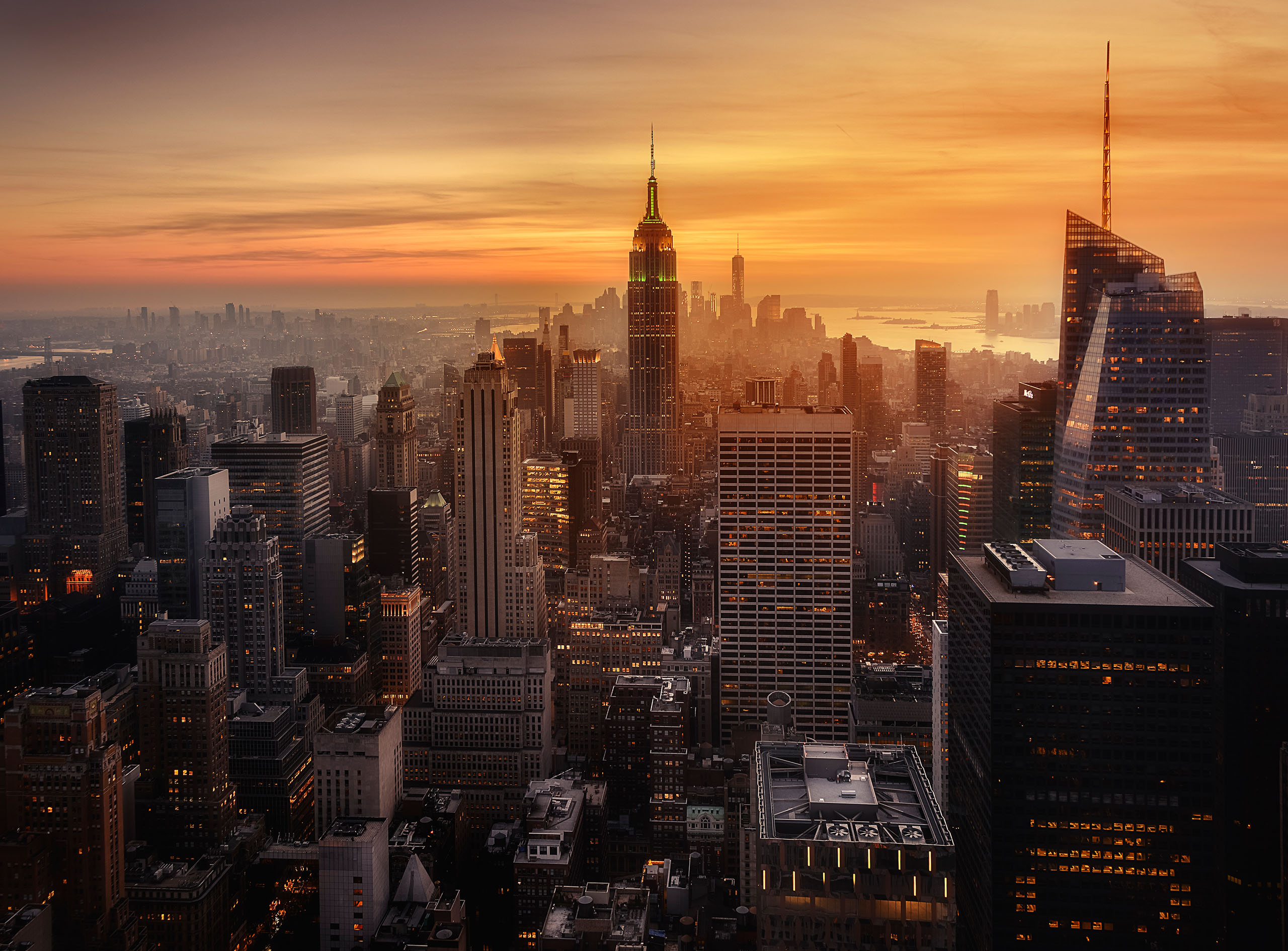
“n.y.” by PeBe
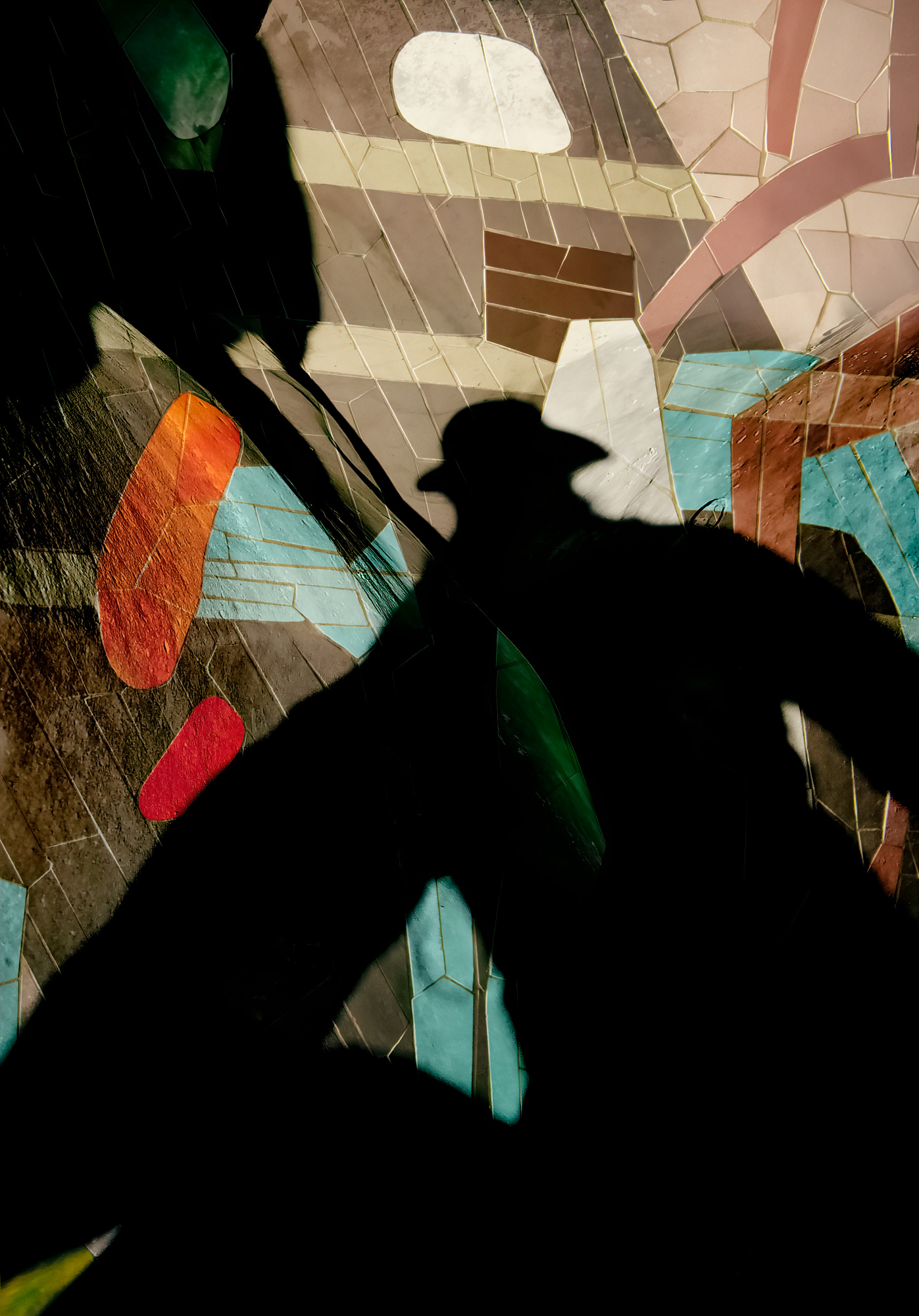
“Shadow Game” by Shenzhen Dou
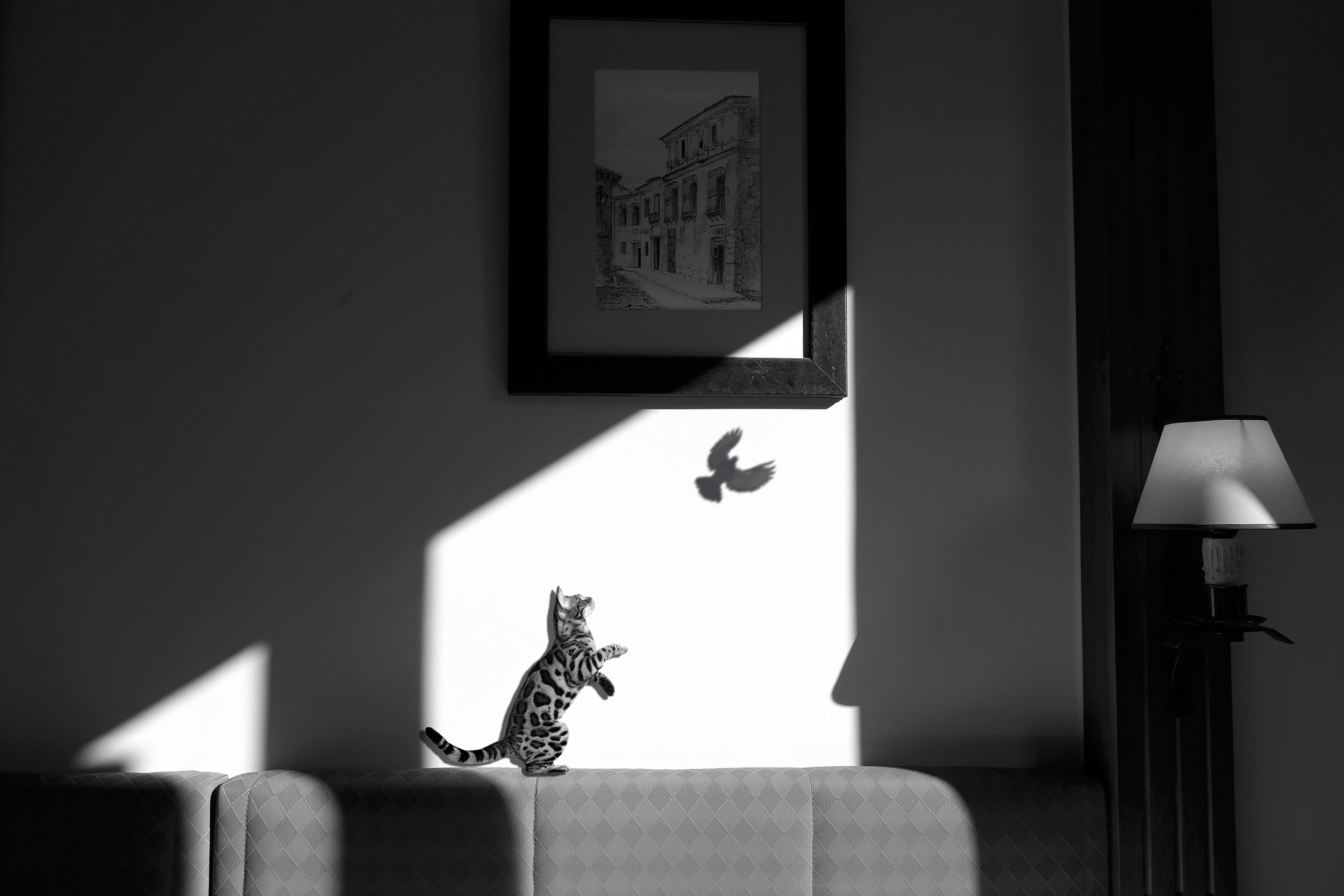
“Virtual capture” by Georgio Pizzocaro
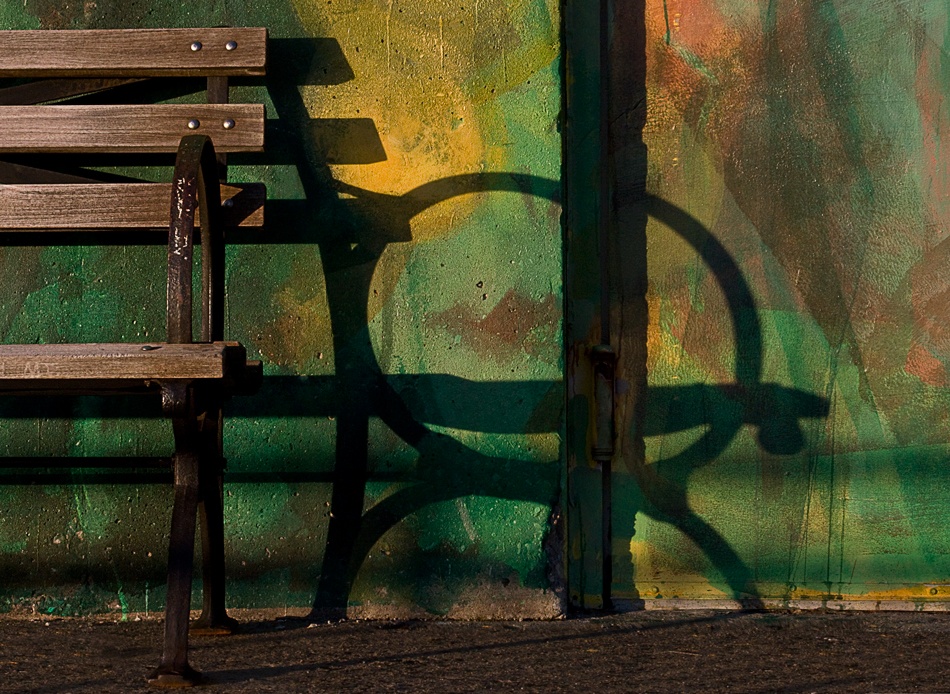
“Bench” by Patricia Sweeney
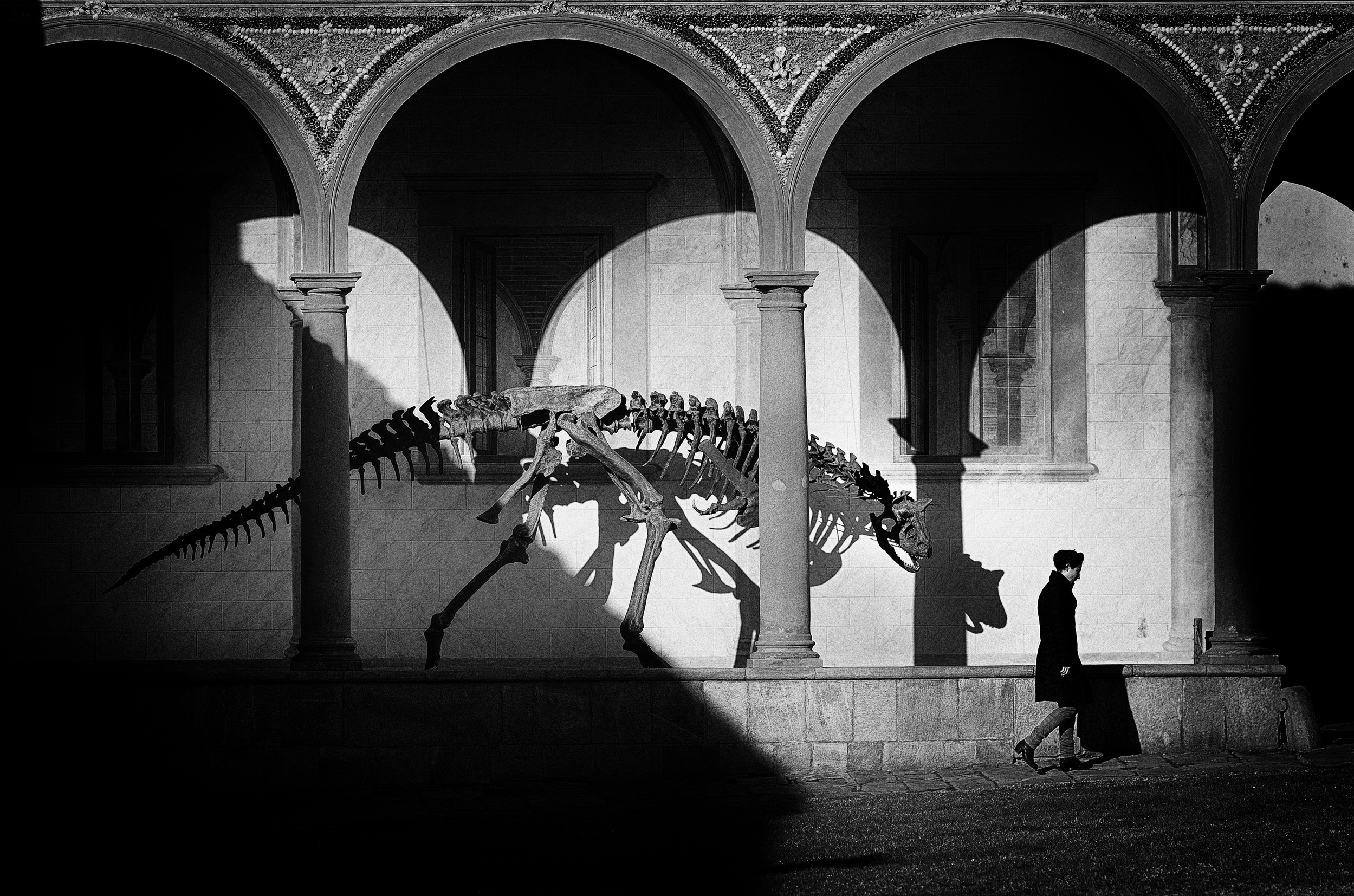
“a quiet day of fear” by Claudio Moretti
The 1x archives hold many treasures that demonstrate just how powerful shadows can be in creating original and memorable images.
They bring dimension, contrast, and emotion, transforming an ordinary scene into something dynamic while enriching and expanding the story being told.
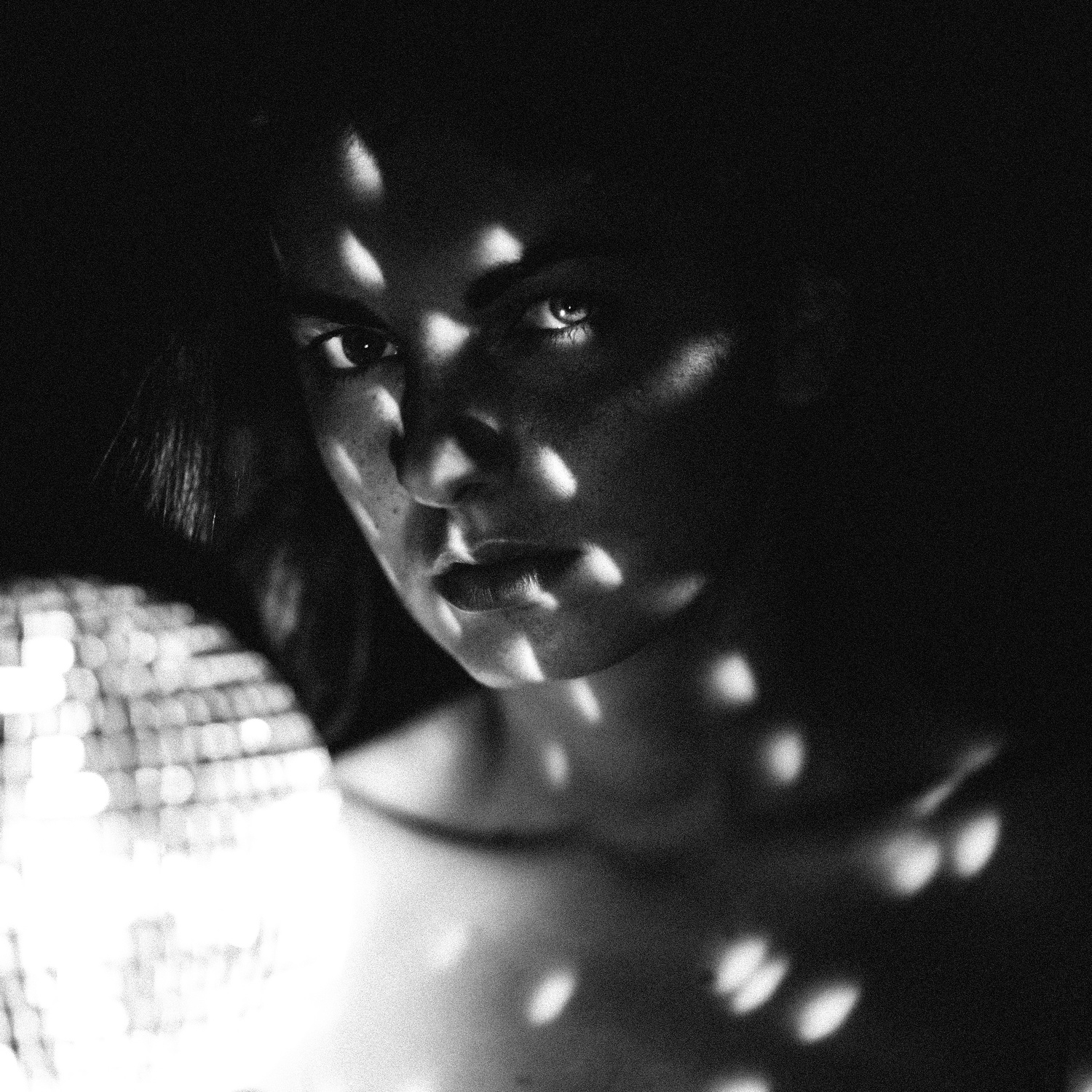 n/t by artem Vasilenko
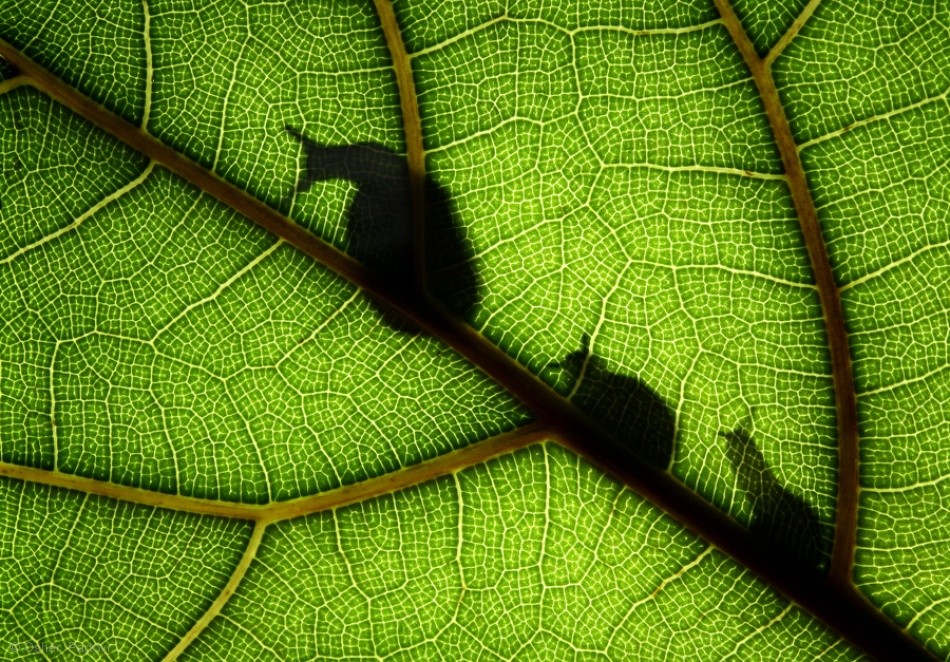
“Follow Me” by Osher Partovi
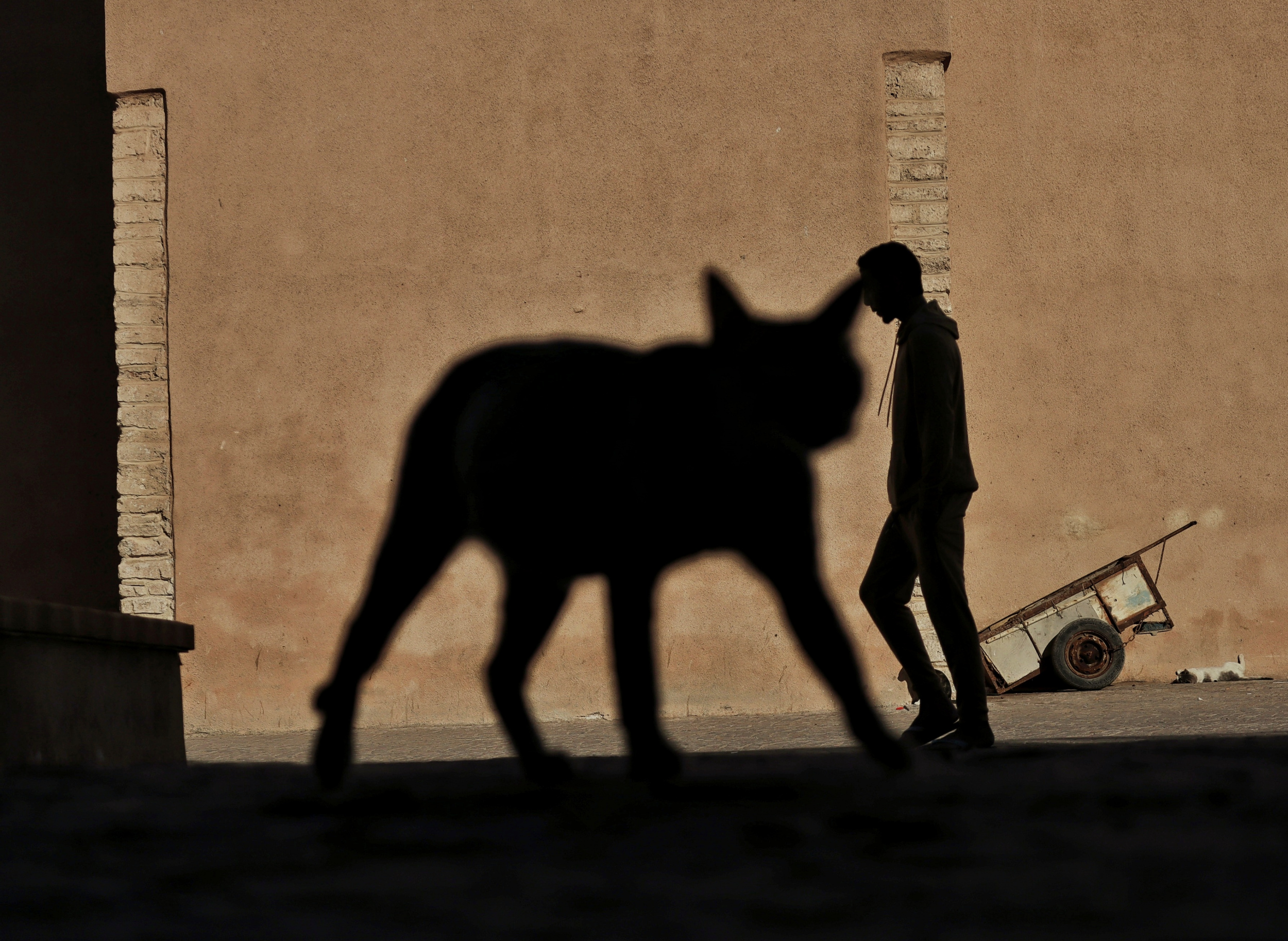
“cat on street” by Silvia Dinca
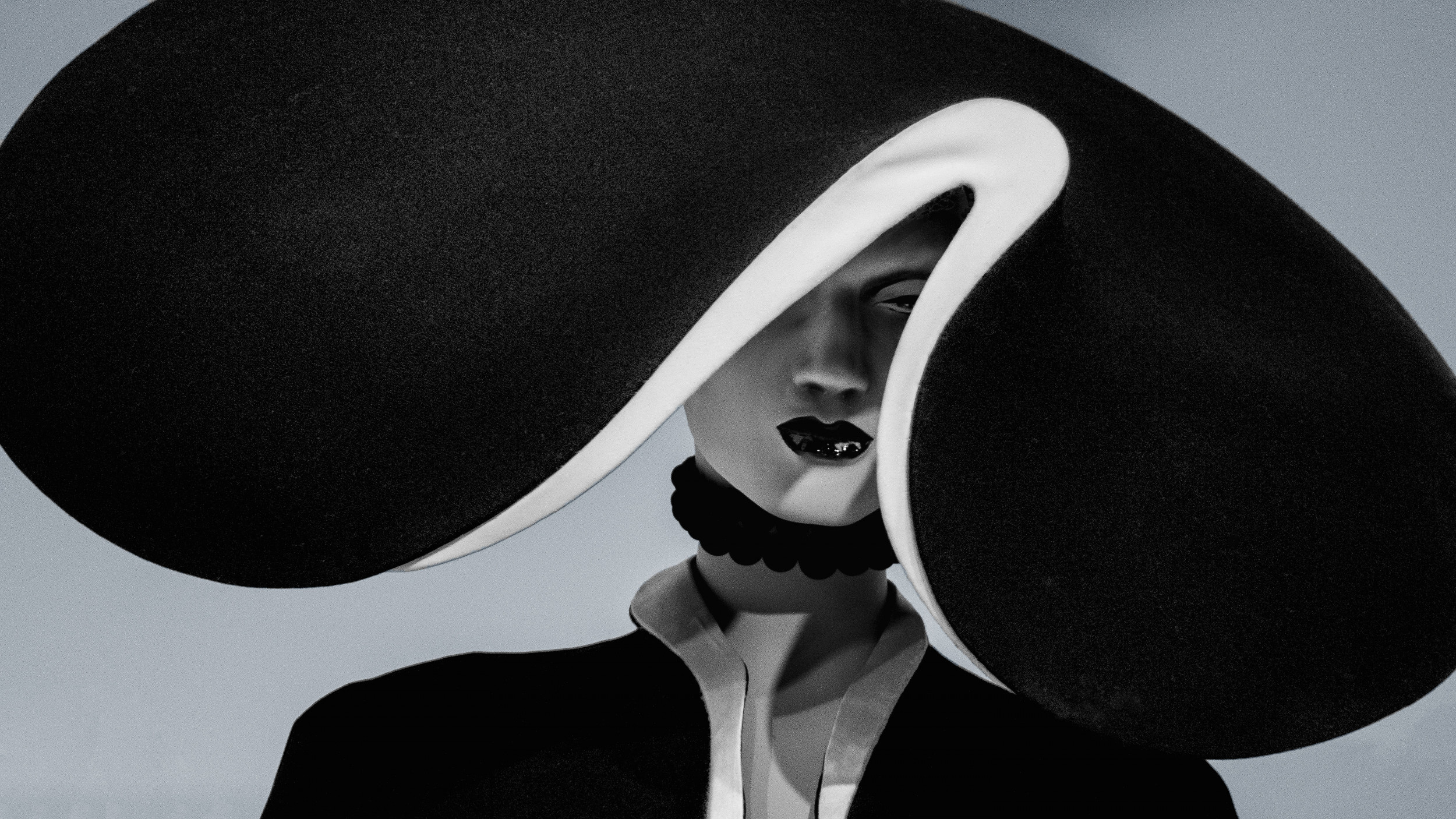
“Glyph” by Patrick Compagnucci
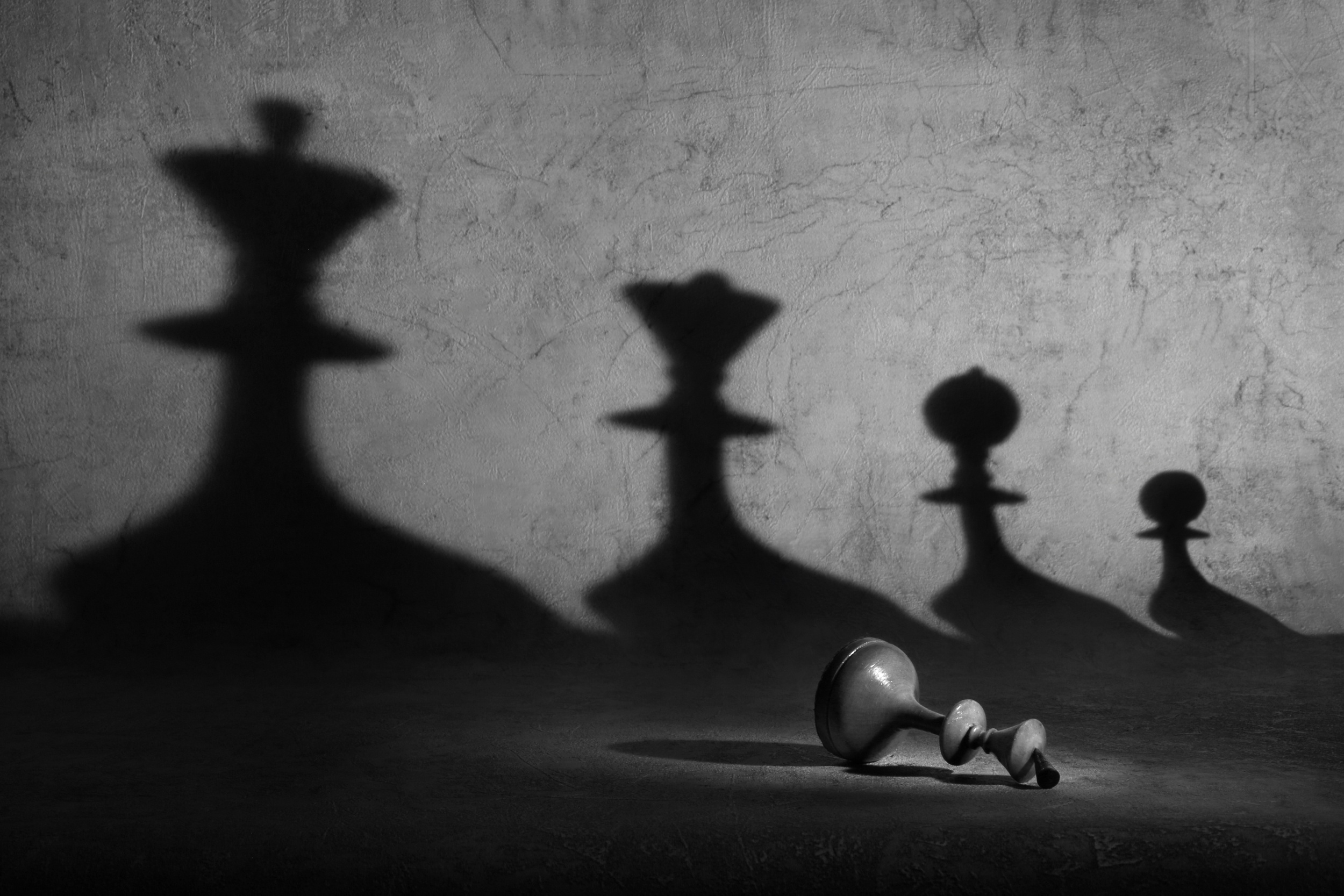
“Game over” by Victoria Ivanova
Light coming from the side creates long shadows that embrace the subject.
These shadows can trace an exact silhouette, defining shape and form, and producing beautiful outlines and graphic compositions.
High-contrast photographs with deep shadows can evoke mystery, drama and suspense. Softer shadows, created by diffused light sources such as overcast skies or studio soft boxes, create a gentler, more romantic and intimate atmosphere. Shadows can also serve as negative space, giving the viewer room to explore the frame and allowing an image to breathe.
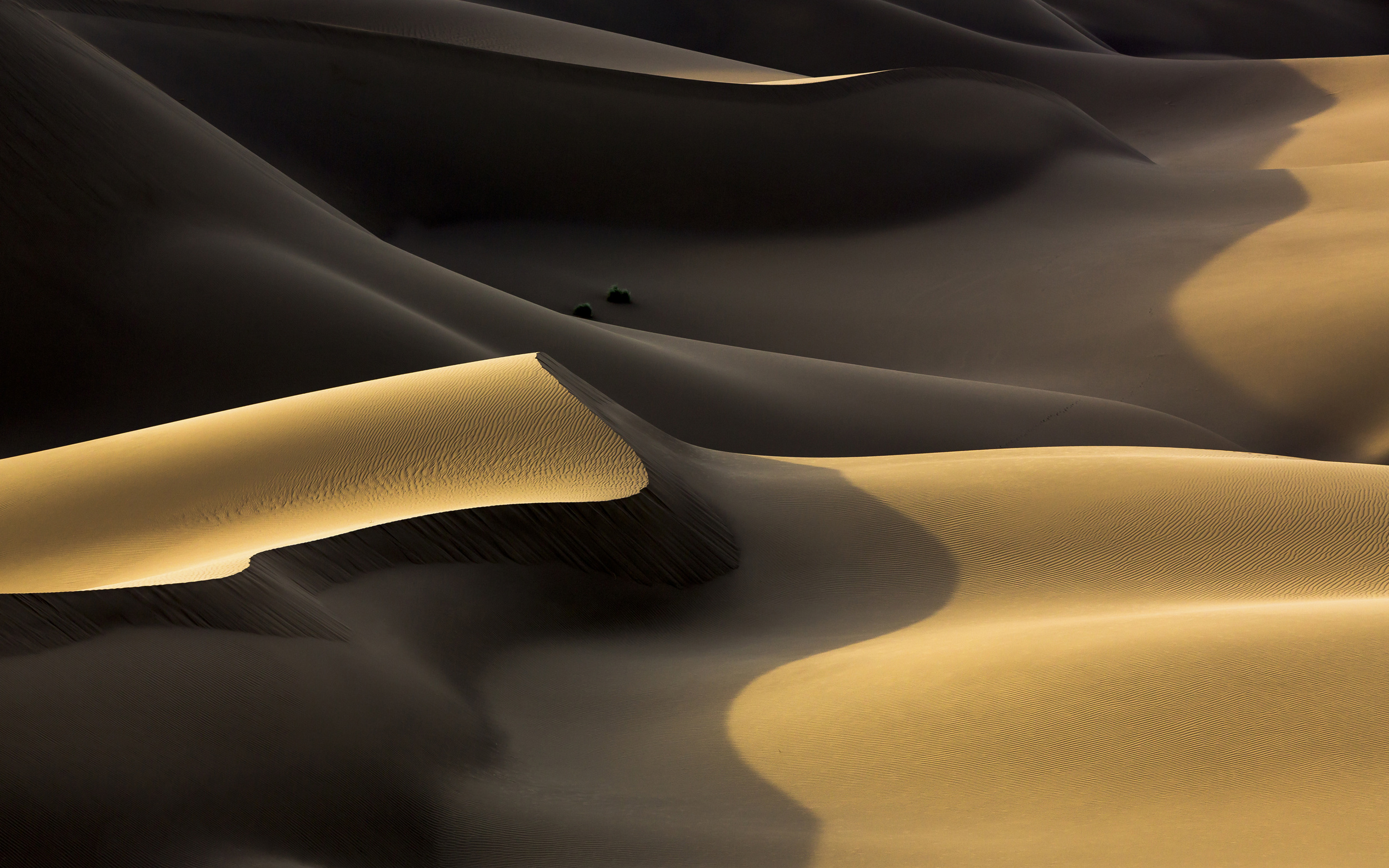
“Life in Shadow” by Mohammadreza Momeni
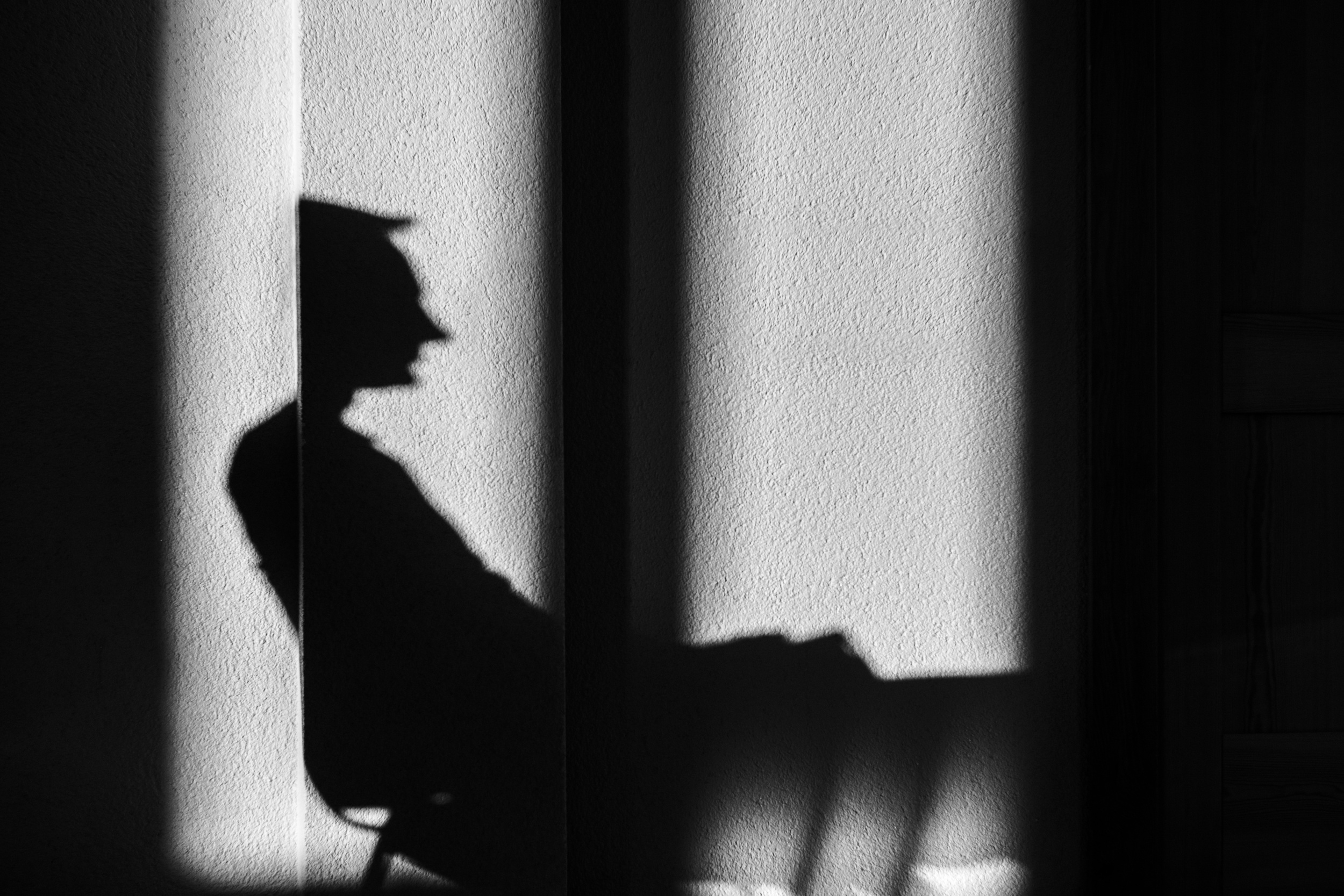
“***” by Eduards
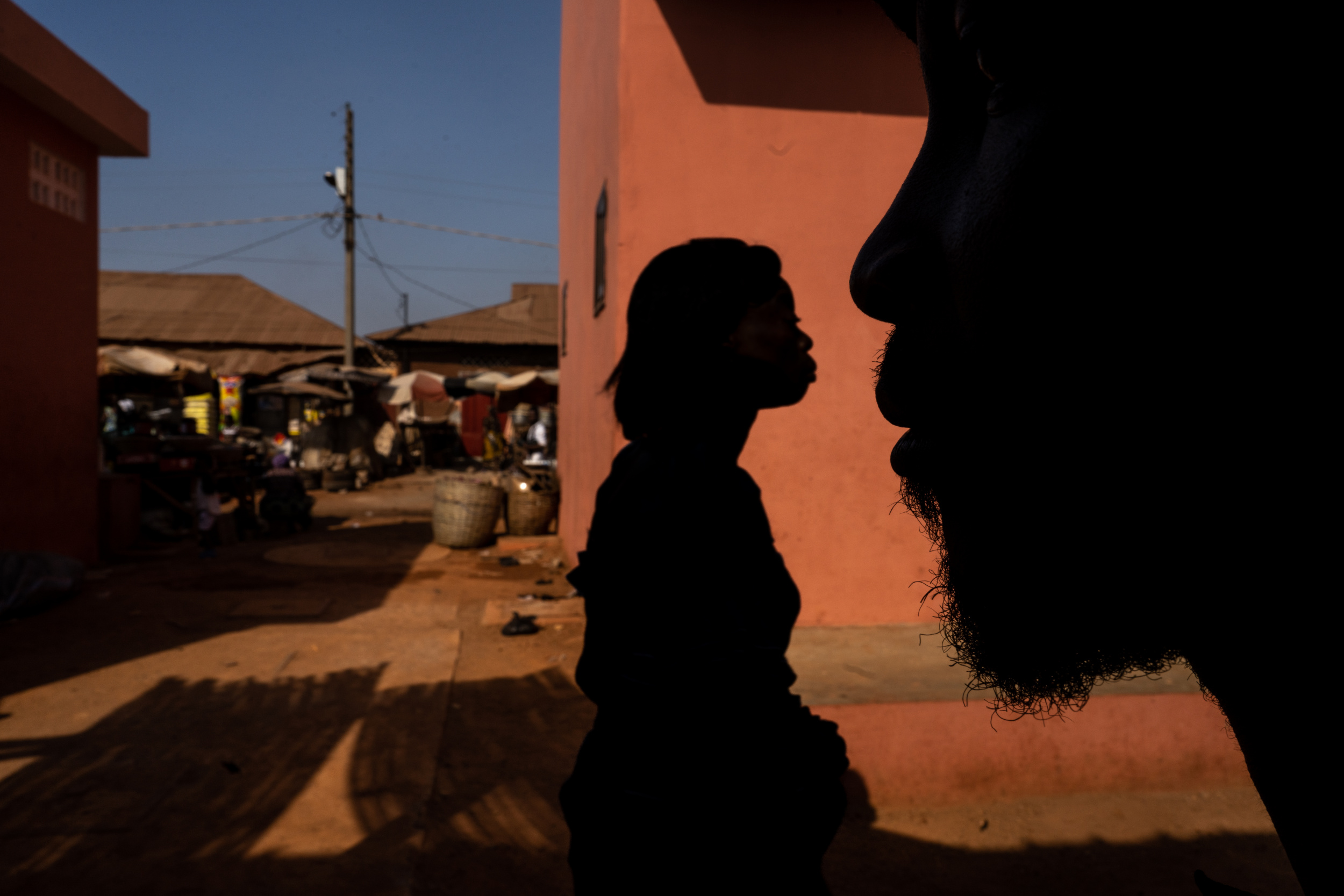
“Market in Benin” by Corinne Spector
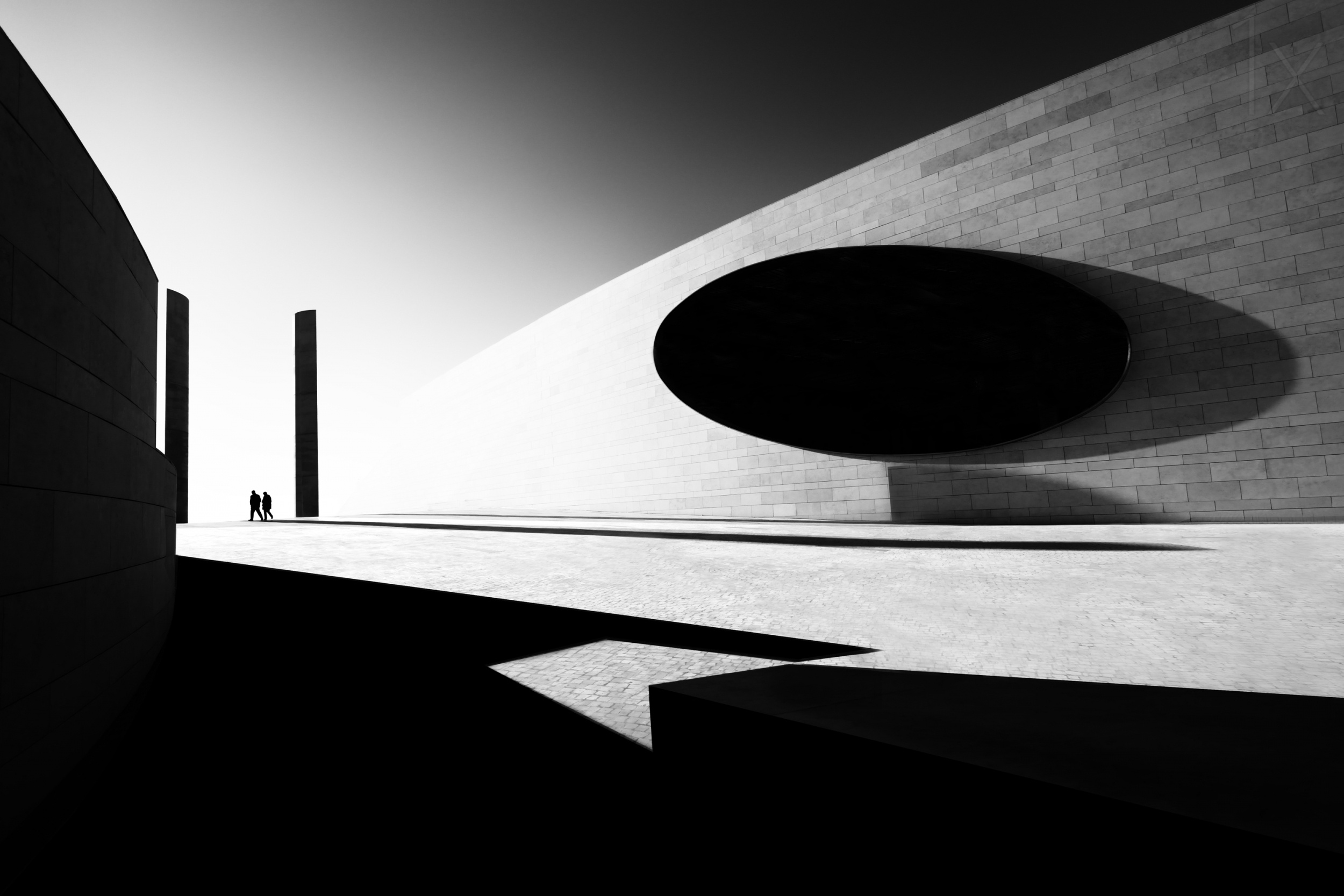
“B&W Harmony” by Florentines Joseph
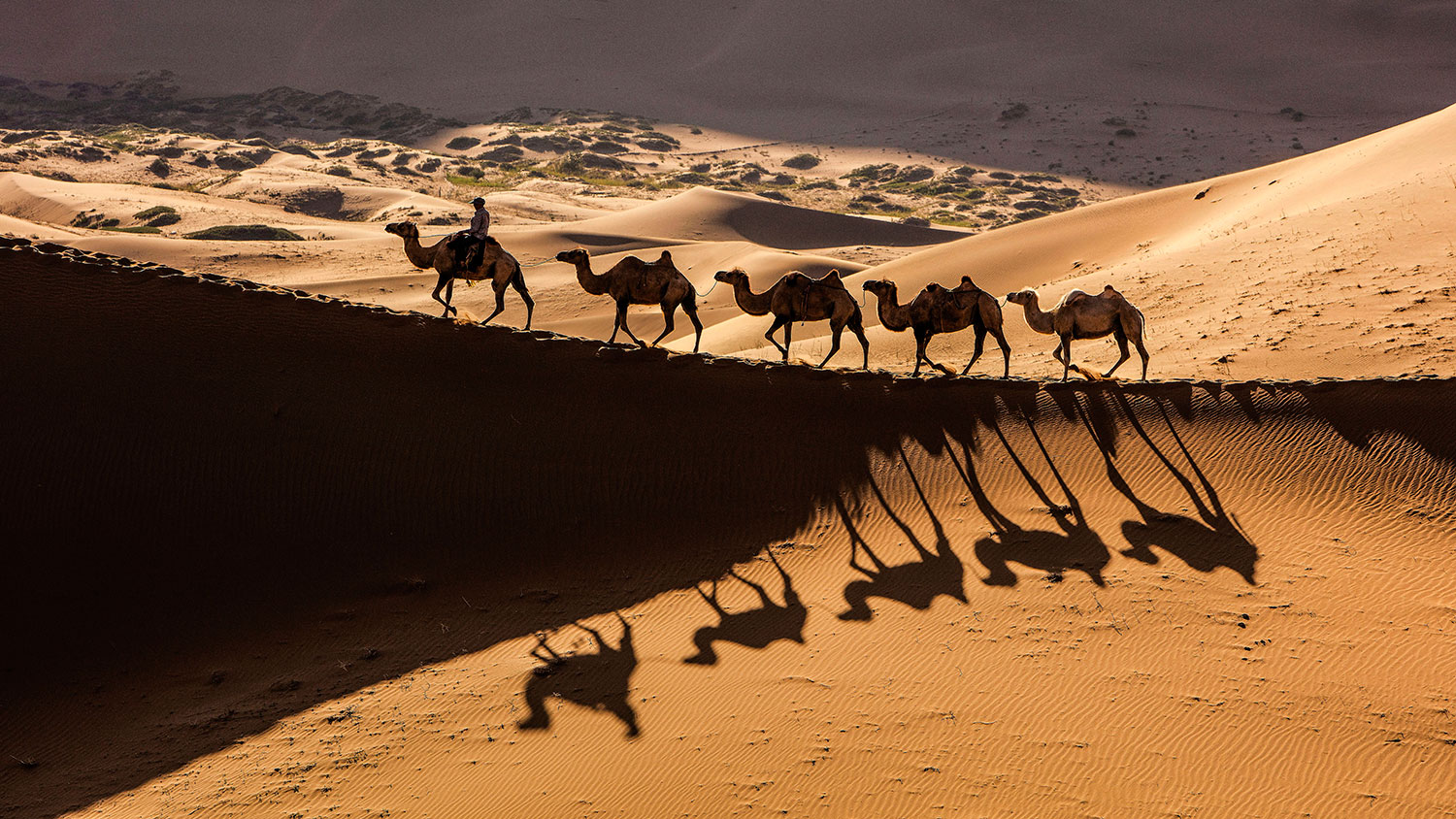
“Badain Jaran Desert-1” by Shin Woo Ryu
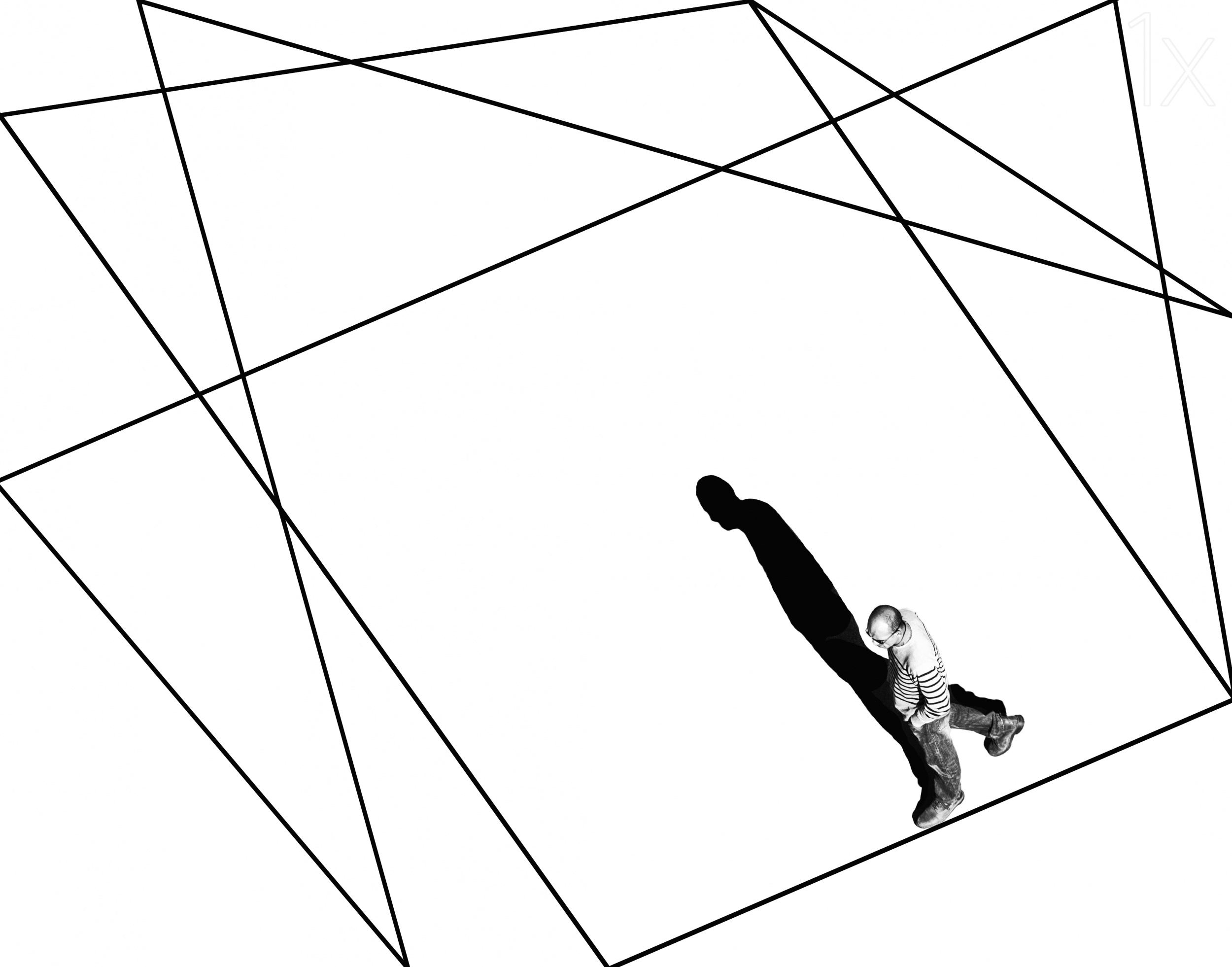
“Line and Shadow” by Natalia Baras
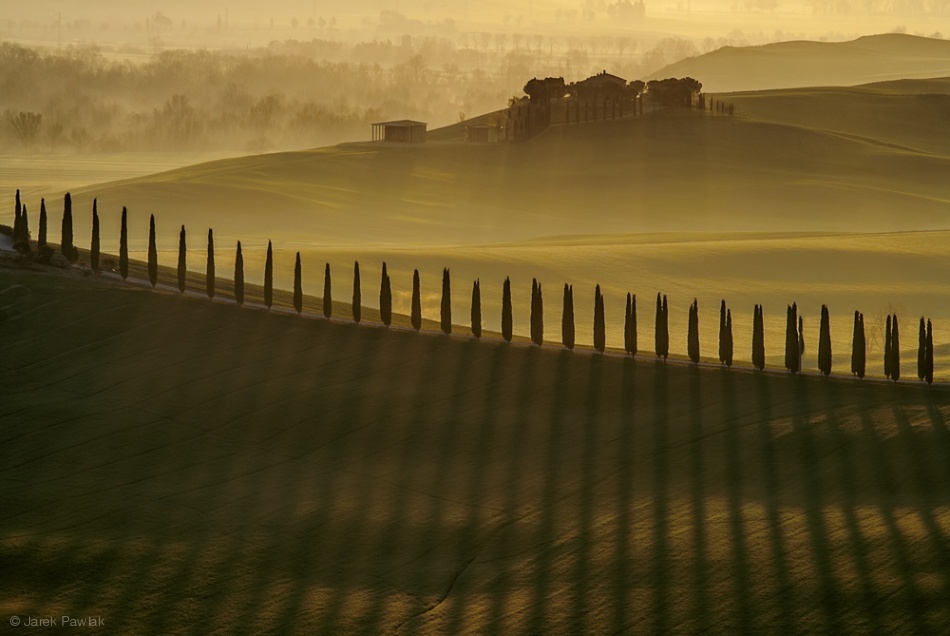
“Cypress shadows” by Jarek Pawiak
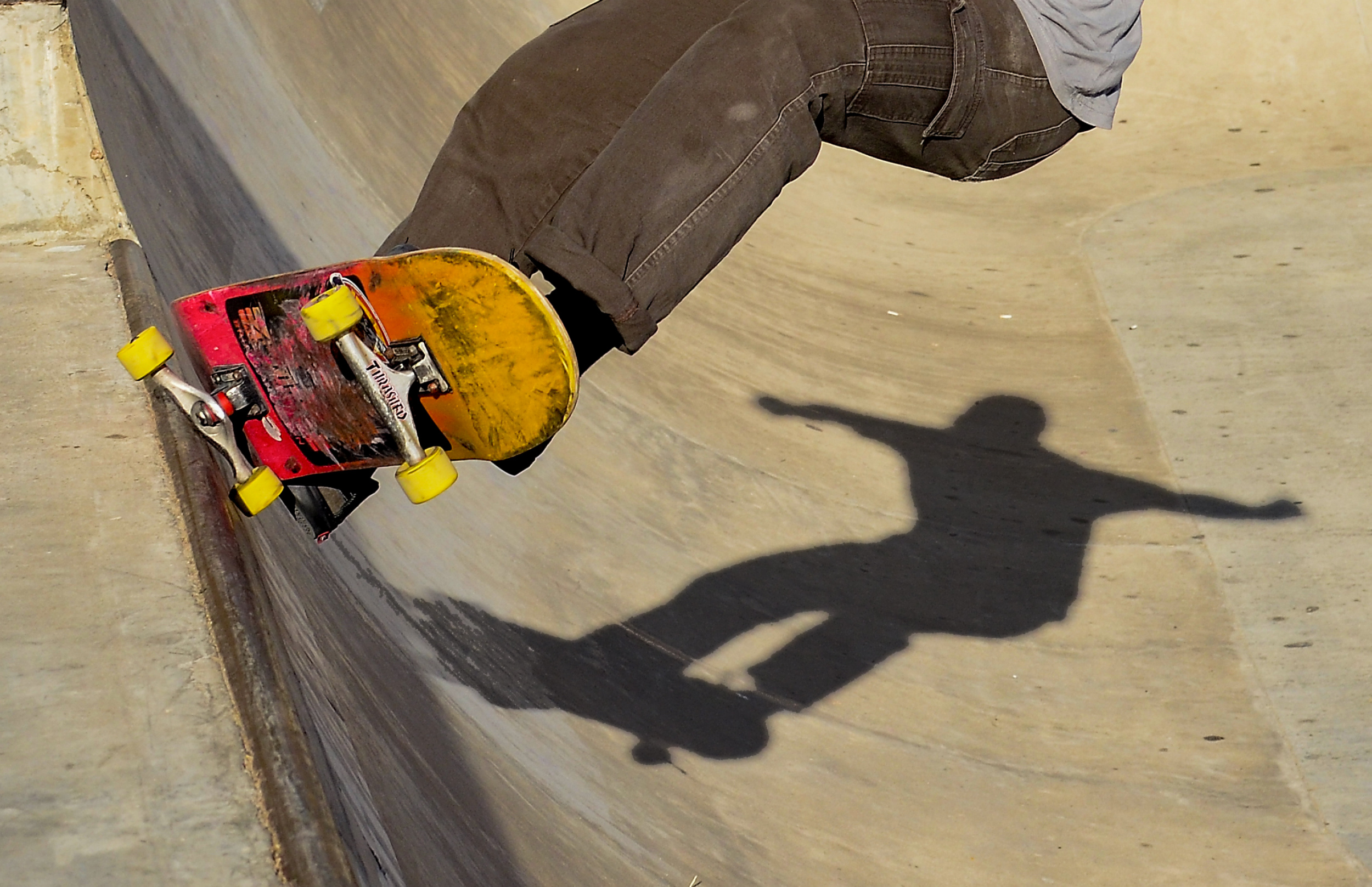
“On the Edge” by Itzik Einhorn
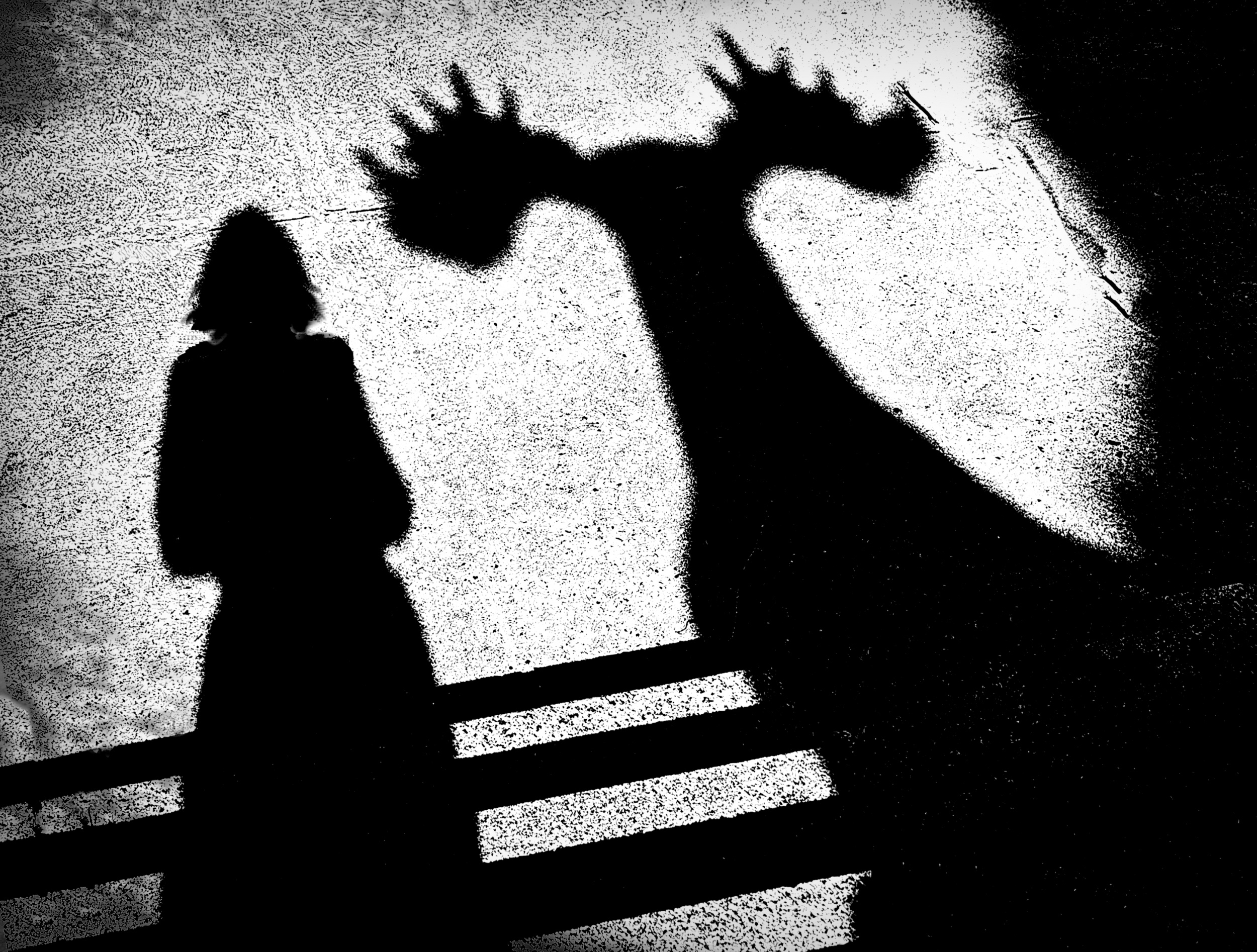
“Me and my Moose” by Jane Lyons
To capture shadows effectively, expose for the brightest highlights rather than the darkest areas.
Maintain deep, inky blacks by keeping the ISO low and using manual mode. Use a hard light source to create well-defined shapes, then frame them to produce abstract and interpretive images.
Here is an interesting video on creating shadows for portraits.
https://www.youtube.com/watch?v=krWQ3wwv97Y
 | Write |
 | Hasan Baglar very beautiful gallery and article !!! |
 | David Manusevich PRO Very beautiful gallery |
 | Subhajit Das PRO Great work. Very inspiring article. Congratulations! |
 | Arnon Orbach CREW Delighted to be featured in The Aesthetics of Shadows. This beautiful article and the inspiring gallery reminds us that shadows are not the absence of light—they are its perfect companion. Together they shape atmosphere, reveal emotion, and give photographs their timeless sense of wonder. Light and shadow are inseparable. Light reveals form, while shadows add mystery, balance, and emotion—creating images full of magic. Thanks so much to Jane and Yvette - a winning team - for their excellent work. much appreciated. |
 | Cicek Kiral CREW Very inspirational 👏👏👏 |
 | Robert Buergisser PRO It's wonderful to see such inspiring and magnificent works of art on display here. Thanks to everyone who contributed! |
 | Stephan Rückert PRO Fantastic inspiration through brilliant images. Many thanks to Yvette and all the authors. |
 | Eiji Yamamoto PRO Dear Jane, thank you so much for the fascinating article with beautiful and wonderful photos! Dear Yvette, thank you so much as always! |
 | Miro Susta CREW The Lady Gaga proverb hit the main point of this interesting article, in other words there is no shadow without light. I like this interesting article topic very much, well done Jane for creating it and for selection of wonderful photos. And of course many thanks dear Yvette for editing and publishing it. |
 | Christine Hardcastle PRO Exquisite examples of the magic of shadows captured by amazingly skillful photographers. Lovely article. |
 | Sokol Priftaj PRO Inspiring work, thanks for sharing. |
 | Qinyuan Wu PRO Interesting & Inspiring! |
 | Itzik Einhorn PRO Shadows possess a kind of magical charm. A small object can grow immensely in the right light; a certain movement is captured differently within the two-dimensional space of the projected area. Sometimes, when immortalized in a photograph, it leaves you amazed by its elegance. And what is a silhouette, after all? A dark, colorless shape — and yet so captivating to the eye. That is truly magical.
Thank you for choosing one of my photographs to demonstrate this magic. |
 | Patrick Compagnucci PRO Great examples of shadow work illustrated in your article. Also thanks to you and Yvette for including my image here. You made my day! |
 | Jo Chaney PRO Jane, I am so enjoying your articles. I love how you bring out the nuances of your subject material and how varied and creative all of the photos are. Kudos to the editors and the creators of these wonderful compositions. |